Paris in 3 Days for First Timers
The Classics
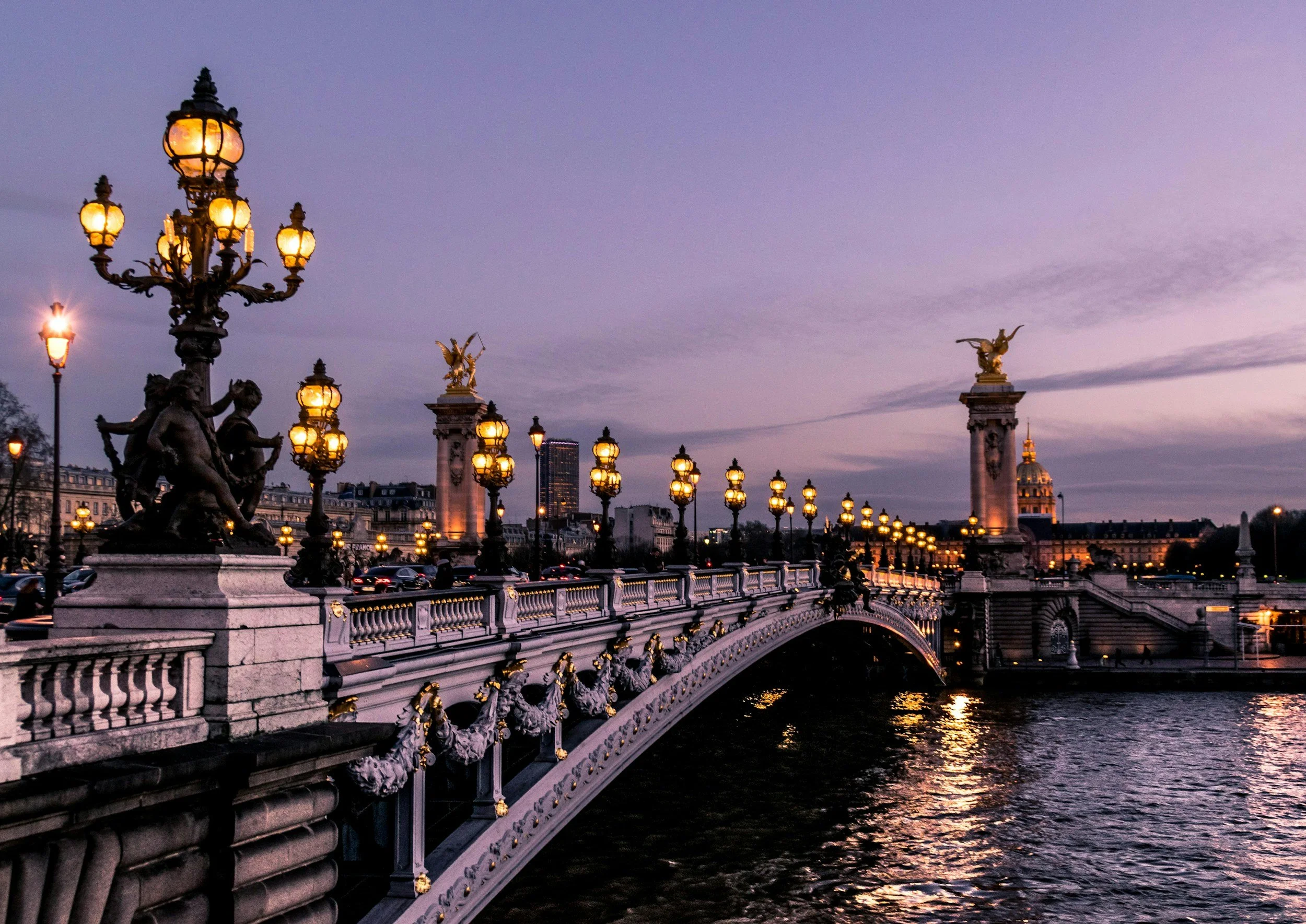
Paris has a way of making even a simple walk feel like an event. Morning light slides across pale stone façades, café terraces fill with the soft percussion of espresso cups, and the city’s landmarks appear the way they do in films - suddenly, and then all at once. For a first visit, the goal isn’t to do everything. It’s to see the icons well - with enough breathing room for the in-between moments that make Paris feel like Paris.
BOOK AHEAD
For a first visit, these three bookings keep the classics feeling effortless.
Eiffel Tower: Elevator Guided Tour (optional summit access)
Best for first-timers who want the view without the logistics.
Bateaux Parisiens Seine River Dinner Cruise
Paris at its most flattering - especially after dark.
Palace of Versailles Tour + Skip-the-Line Ticket
A classic day trip made easy, with less queueing and more gardens.
•
AT A GLANCE
Best for: First-time visitors who want the classics without the chaos
Ideal length: 3 days (add a 4th day for Versailles)
Pacing rule: One “big” sight + one “beautiful” sight + one long wander per day
Book ahead (highly recommended): Eiffel Tower, Seine River Dinner Cruise, Palace of Versailles Tour
First-timer tip: One major museum per day is plenty. Paris is better when you leave space.
Day 1: Eiffel Tower + Seine at sunset + your first proper Paris stroll
The Eiffel Tower is non-negotiable - and it’s worth doing in a way that feels calm, not crowded.
Go early or late: First entry is quieter; after dark feels cinematic.
Best viewpoints:
Trocadéro for classic symmetry
Champ de Mars for picnic energy
Rue de l’Université for that postcard angle
If you want the view from above: Book a timed ticket. If you’d rather keep it simple, skip the climb and make the tower your skyline star from a rooftop drink elsewhere.
A Seine River cruise (Paris at its most flattering)
If you do one “touristy” thing, make it a Seine cruise. It’s relaxing, efficient, and surprisingly romantic.
Best time: Sunset into early evening
Why it works: You’ll see major monuments from a fresh angle, with the water doing what it does best—making everything look a little more elegant.
Evening: a first-night wander
Keep dinner easy and let the city do the work. Choose one neighbourhood and stay local - Paris nights are made for unhurried walking.
Day 2: Louvre or Musée d’Orsay + Le Marais drift
Pick one: The Louvre (focused visit) or Musée d’Orsay (beautifully paced)
The Louvre is enormous - more city than museum - so the best visit is a focused one.
Book timed entry and arrive at opening if you can
Choose your approach: “Greatest hits” loop, or one theme (Italian Renaissance, French classics)
Don’t miss: Mona Lisa (crowded but iconic), Winged Victory of Samothrace, Venus de Milo - and the grand rooms themselves
If the Louvre feels like a marathon, choose Musée d’Orsay instead. Housed in a former railway station, it’s the perfect first-timer museum: iconic art, beautiful building, and a natural flow.
Look for: Monet, Renoir, Degas, Van Gogh
Don’t skip: The big clock windows (favourite for a reason)
Then head to Le Marais (for wandering, shopping, and easy charm). Le Marais is less about one monument and more about the feeling of a day well spent.
Browse boutiques and concept stores
Pause for a long lunch
Keep walking - this is a neighbourhood made for drifting
Don’t miss: Place des Vosges, one of Paris’s most beautiful squares
Optional add-on: Luxembourg Gardens (a perfect Paris pause)
If you need a reset between museum and evening plans, the Jardin du Luxembourg is ideal: chairs by the fountain, tree-lined paths, and a gentle local rhythm.
Day 3: Montmartre morning + Île de la Cité + Arc de Triomphe at golden hour
Montmartre is Paris in a more playful mood: steep streets, studio history, and viewpoints that make you pause.
Go early morning to avoid peak crowds
Visit Sacré-Cœur for panoramic views
Wander beyond the busiest square - quieter lanes are where Montmartre feels like itself
Next stop: Ile de la Cité: Notre-Dame + Sainte-Chapelle
Even while restoration continues, Notre-Dame remains essential - if only to understand where Paris began.
Walk the edges of Île de la Cité and Île Saint-Louis
Sainte-Chapelle is the standout nearby (book ahead): stained glass that genuinely stops you mid-sentence
Then visit at: Arc de Triomphe + Champs-Élysées (for the view)
The Champs-Élysées is famous, but the real win is the Arc.
Climb the Arc de Triomphe for a sweeping look down the grand avenues
Best time: Golden hour into dusk
Use the Champs-Élysées as a connector rather than a destination - classic to walk, easy to keep moving
If you have an extra day: Versailles is the classic day trip
Versailles earns its reputation: gilded rooms, formal gardens, and a scale that’s hard to picture until you’re there.
Book timed entry in advance
Don’t rush the gardens - they’re part of the experience
If you’re short on time: prioritise palace highlights + one long garden walk
Wrap Up
Do less, better: Paris punishes overplanning.
One museum per day: You’ll remember more and resent less.
Build in a daily pause: A garden chair, a café terrace, a slow walk along the river.
Book the essentials: Timed tickets turn Paris from stressful to smooth.
Do the icons, then leave room for the in-between - Paris rewards the big-ticket sights - but it’s the in-between moments that stay with you: a bakery window you didn’t mean to stop at, a bridge at dusk, the way the city glows after rain. See the classics, absolutely. Just don’t pack your days so tightly that you miss the quiet magic happening between them.